Slow-Blues.com — Global Blues Encyclopedia
The Roots

A History of the Blues

From the cotton fields of the Mississippi Delta to the electric clubs of Chicago — over a century of musical evolution.

1865 — 1890

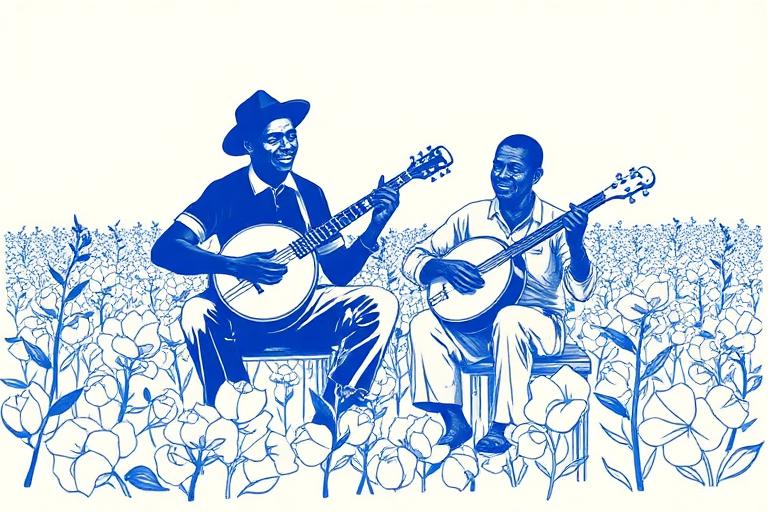
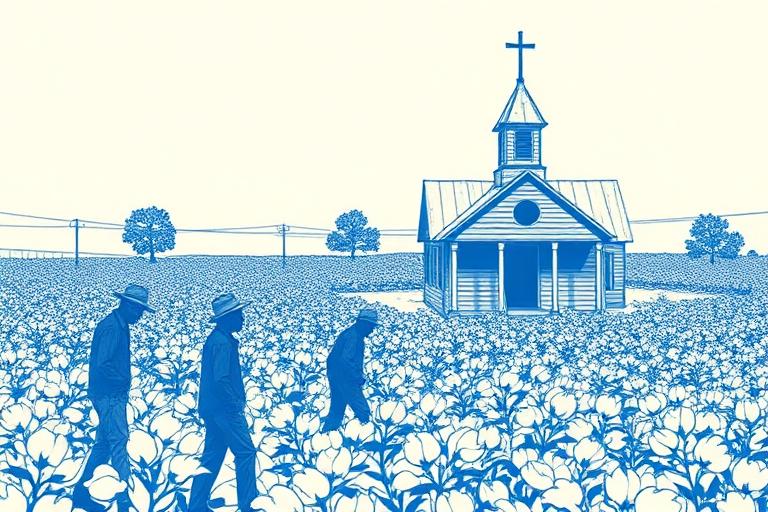
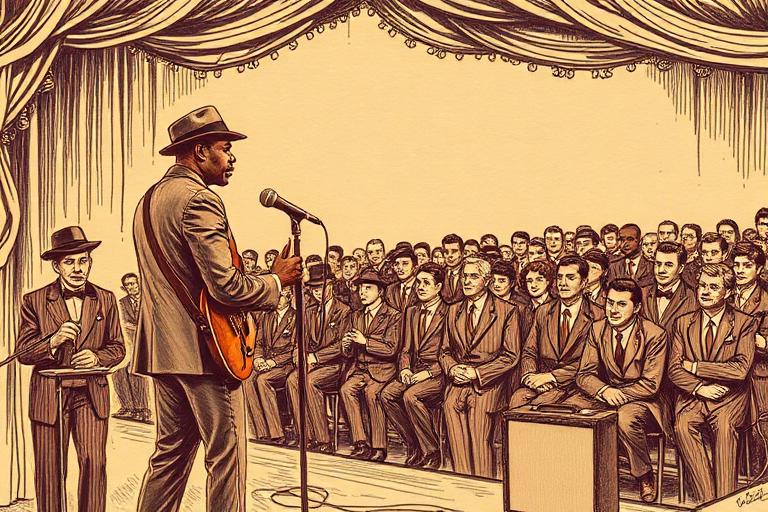
Emancipation & the Field Holler

After abolition, African-American workers carry call-and-response work songs, spirituals and African scale memory into the Mississippi Delta. The blues form begins to crystallise as a personal lament rather than a communal song.

Emancipation & the Field Holler
1903

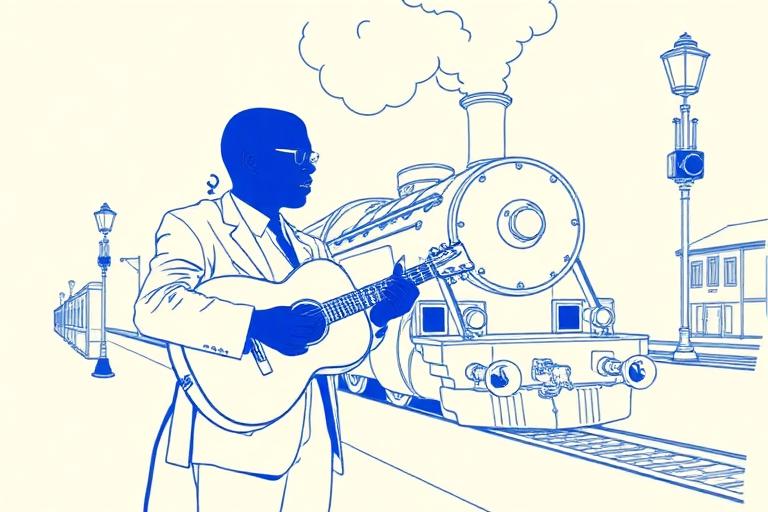
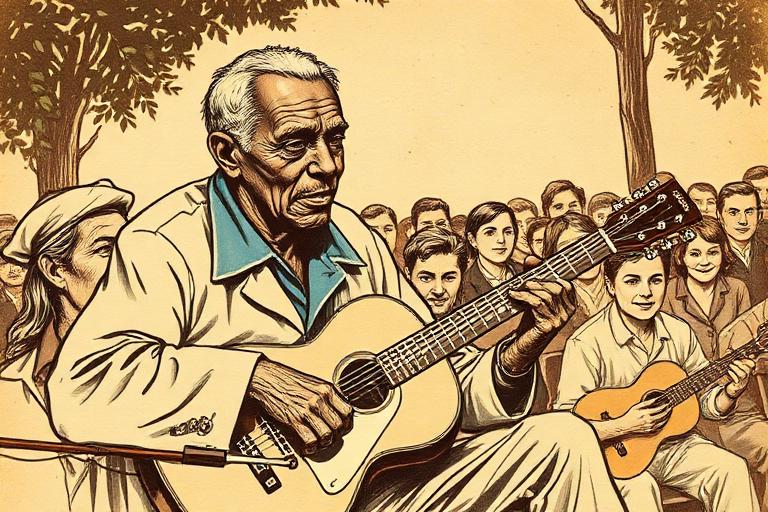
W.C. Handy hears it on a train

Bandleader W.C. Handy is asleep on a platform in Tutwiler, Mississippi when a ragged guitarist plays slide with a knife and sings about "goin' where the Southern cross the Dog." Handy later calls it "the weirdest music I had ever heard" — and the first documented description of a blues song.
W.C. Handy hears it on a train
1920

First blues record

Mamie Smith's "Crazy Blues" on Okeh sells 75,000 copies in its first month and proves there is a vast Black record-buying public. The "race records" industry is born overnight.

First blues record
1926 — 1932

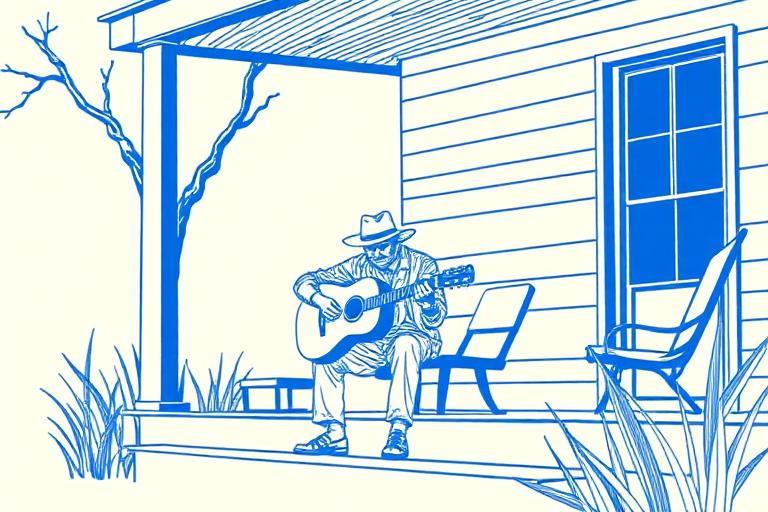
Country blues on wax

Field-recording teams travel south with portable disc cutters. Blind Lemon Jefferson, Charley Patton, Son House and a young Robert Johnson make the first generation of Delta recordings that we still listen to today.

Country blues on wax
1936 — 1937

Robert Johnson sessions

In two short sessions (San Antonio and Dallas) Johnson cuts 29 songs that would become the most influential body of work in the music's history. He dies the next year at 27.

Robert Johnson sessions
1940s

The Great Migration plugs in

Hundreds of thousands of Black Mississippians move north to Chicago for factory work and take the Delta blues with them. To be heard over a loud crowd in a South-Side bar, the guitar gets an amplifier.

The Great Migration plugs in
1947

Chess Records, Chicago

Two Polish-Jewish immigrant brothers, Leonard and Phil Chess, take over Aristocrat Records and rename it Chess. Over the next two decades they record Muddy Waters, Howlin' Wolf, Little Walter, Sonny Boy Williamson II, Bo Diddley, Chuck Berry, Etta James and dozens more.

Chess Records, Chicago
1958

Muddy shocks Britain

Muddy Waters tours Britain with a Telecaster turned up loud. Folk critics are appalled, but a generation of teenagers — including the future Rolling Stones, Yardbirds and Cream — never recovers.

Muddy shocks Britain
1962 — 1969

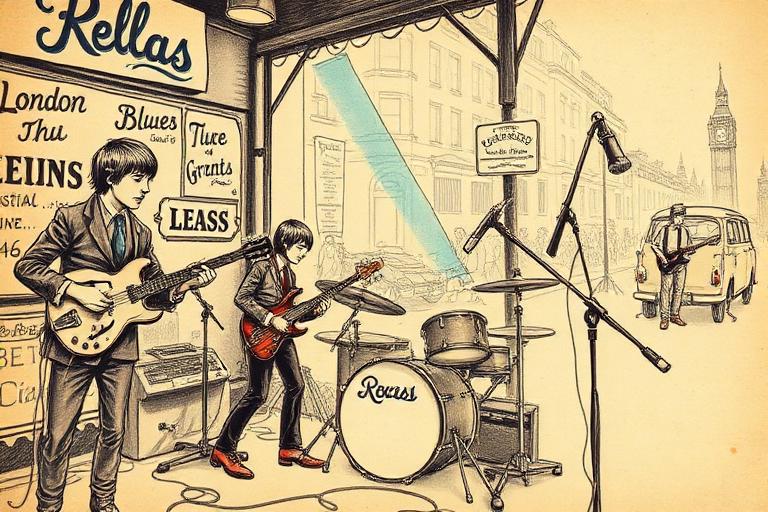
British invasion of the blues

The Stones (named after a Muddy song), John Mayall's Bluesbreakers, Cream, Fleetwood Mac, Led Zeppelin — British rock is essentially Chicago blues louder and longer. Many of the original Chess artists tour Europe for the first time.

British invasion of the blues
1980s — today

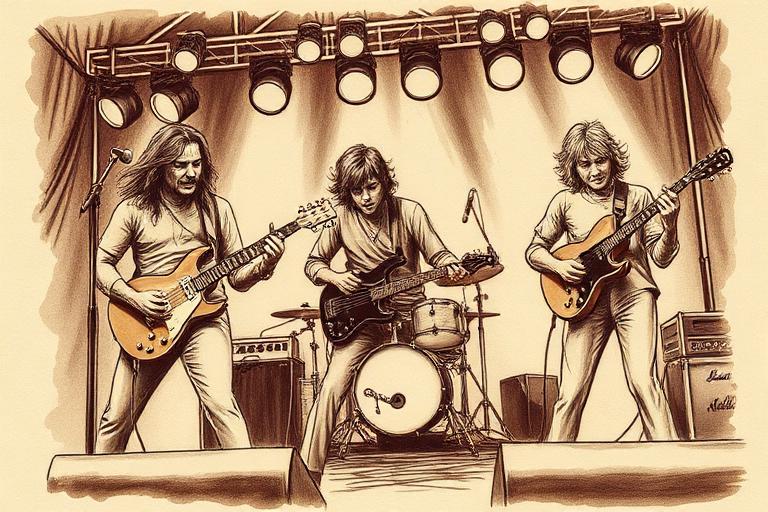
Living tradition

Stevie Ray Vaughan, Robert Cray, Bonnie Raitt and Buddy Guy keep the music in arenas. A new generation — Gary Clark Jr., Larkin Poe, Christone "Kingfish" Ingram, Joanne Shaw Taylor — proves the blues is not a museum piece.

Living tradition

Photo: Library of Congress / Wikimedia Commons · Public Domain & Unsplash

Year by year

Detailed Timeline · 1865 — 2025

Every documented milestone in the music's history — from emancipation to today's new generation.

  1. End of Slavery
    1865Origin

    End of Slavery

    The 13th Amendment abolishes slavery in the United States. Former slaves in the Deep South begin developing new musical forms combining African traditions with American influences.

  2. End of Reconstruction
    1877Origin

    End of Reconstruction

    Federal troops withdraw from the South, beginning the era of Jim Crow laws. The harsh conditions of sharecropping and segregation would fuel blues expression for decades.

  3. Blues Takes Shape
    1890Origin

    Blues Takes Shape

    The blues form begins crystallizing in the Mississippi Delta region. Work songs, field hollers, spirituals, and African musical traditions merge into a distinctive style.

  4. W.C. Handy's Encounter
    1903Milestone

    W.C. Handy's Encounter

    W.C. Handy hears a slide guitar player at a Tutwiler, Mississippi train station—one of the first documented descriptions of Delta blues style.

  5. Great Migration Begins
    1910Migration

    Great Migration Begins

    African Americans begin migrating from the rural South to Northern cities seeking better opportunities. This movement would eventually bring Delta blues to Chicago, Detroit, and beyond.

  6. First Blues Recording
    1920Recording

    First Blues Recording

    Mamie Smith records 'Crazy Blues' for Okeh Records—the first blues recording by an African American artist. It sells over 75,000 copies in its first month, proving blues has commercial potential.

  7. Blind Lemon Jefferson Records
    1926Artist

    Blind Lemon Jefferson Records

    Blind Lemon Jefferson begins recording for Paramount Records, becoming the first major male blues star. His Texas blues style influences generations of guitarists.

  8. Charley Patton Records
    1929Artist

    Charley Patton Records

    The 'Father of Delta Blues' Charley Patton makes his first recordings for Paramount Records, including 'Pony Blues.' He would influence every Delta bluesman who followed.

  9. John Lomax Discovers Lead Belly
    1933Recording

    John Lomax Discovers Lead Belly

    Folklorist John Lomax records Lead Belly at Angola Prison in Louisiana for the Library of Congress, beginning decades of field recordings that would preserve blues history.

  10. Robert Johnson Sessions
    1936Recording

    Robert Johnson Sessions

    Robert Johnson records his legendary sessions in San Antonio, Texas at the Gunter Hotel. These 29 songs would become the most influential blues recordings ever made.

  11. Muddy Waters Field Recording
    1941Recording

    Muddy Waters Field Recording

    Alan Lomax records McKinley Morganfield (Muddy Waters) on Stovall Plantation for the Library of Congress. Hearing the playback inspires Waters to pursue music professionally.

  12. Muddy Waters Moves to Chicago
    1943Migration

    Muddy Waters Moves to Chicago

    Muddy Waters leaves Mississippi for Chicago, eventually bringing the Delta blues sound to urban audiences and electrifying the genre.

  13. Chess Records Founded
    1947Milestone

    Chess Records Founded

    Leonard and Phil Chess establish Chess Records in Chicago (originally Aristocrat). The label would become the most important blues label in history.

  14. 'Rollin' Stone' Released
    1950Recording

    'Rollin' Stone' Released

    Muddy Waters releases 'Rollin' Stone' on Chess Records—a song that would inspire both The Rolling Stones' name and Bob Dylan's 'Like a Rolling Stone.'

  15. Little Walter's 'Juke'
    1952Recording

    Little Walter's 'Juke'

    Little Walter's instrumental 'Juke' becomes #1 on the R&B charts, revolutionizing blues harmonica with its amplified, distorted sound.

  16. 'Hoochie Coochie Man'
    1954Recording

    'Hoochie Coochie Man'

    Muddy Waters records Willie Dixon's 'Hoochie Coochie Man,' creating the template for blues-rock that would dominate the next two decades.

  17. Muddy Waters Tours Britain
    1958Milestone

    Muddy Waters Tours Britain

    Muddy Waters' electric performance shocks British audiences expecting acoustic folk-blues. This tour sparks the British blues boom and inspires future rock stars.

  18. Son House Rediscovered
    1961Artist

    Son House Rediscovered

    Blues researchers locate Son House in Rochester, NY. His rediscovery leads to new recordings and performances that introduce Delta blues to folk revival audiences.

  19. Rolling Stones Form
    1962Milestone

    Rolling Stones Form

    The Rolling Stones form in London, named after Muddy Waters' song. They and other British bands would soon bring blues to worldwide rock audiences.
  20. Cream Covers Blues
    1966Milestone

    Cream Covers Blues

    Cream (Eric Clapton, Jack Bruce, Ginger Baker) forms and covers blues standards by Robert Johnson, Skip James, and Howlin' Wolf, introducing millions to the blues.

  21. Led Zeppelin Debut
    1969Milestone

    Led Zeppelin Debut

    Led Zeppelin's debut album features heavy blues influence, including covers of Willie Dixon's 'You Shook Me' and 'I Can't Quit You Baby.'

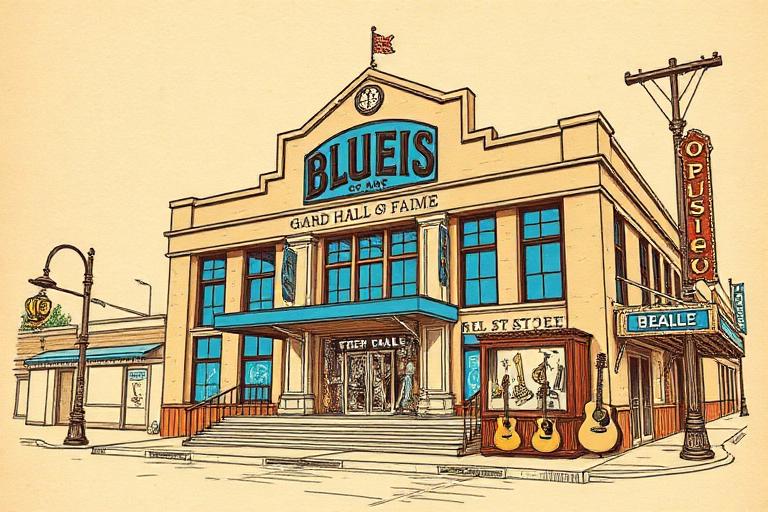
  22. Blues Hall of Fame
    1980Milestone

    Blues Hall of Fame

    The Blues Foundation establishes the Blues Hall of Fame in Memphis, honoring blues legends including Charley Patton, Son House, and Robert Johnson.

  23. Robert Johnson Hall of Fame
    1986Artist

    Robert Johnson Hall of Fame

    Robert Johnson inducted into the Rock and Roll Hall of Fame as an Early Influence, cementing his status as the most influential blues artist for rock music.

  24. Robert Johnson Box Set
    1990Recording

    Robert Johnson Box Set

    Columbia releases 'The Complete Recordings' of Robert Johnson, selling over 500,000 copies and introducing a new generation to Delta blues.

  25. U.S. Postal Stamp: Robert Johnson
    1994Milestone

    U.S. Postal Stamp: Robert Johnson

    The U.S. Postal Service issues a Robert Johnson stamp as part of its 'Legends of American Music' series, marking mainstream cultural recognition of Delta blues.

  26. 1997Artist

    John Lee Hooker's Comeback

    John Lee Hooker wins a Grammy for 'Don't Look Back,' produced by Van Morrison. His late-career resurgence brings boogie blues to a new audience.

  27. 2003Milestone

    Year of the Blues

    The U.S. Congress declares 2003 the 'Year of the Blues.' Martin Scorsese produces 'The Blues,' a seven-part PBS documentary series exploring the genre's history and global impact.

  28. 2006Artist

    Buddy Guy: Living Legend

    Buddy Guy receives the National Medal of Arts from the White House. His club Legends in Chicago remains a blues pilgrimage site, and he continues touring into his 80s.

  29. 2011Milestone

    Mississippi Blues Trail

    The Mississippi Blues Trail reaches over 100 historical markers across the state, including Dockery Plantation, the Crossroads in Clarksdale, and Muddy Waters' cabin site at Stovall.

  30. 2015Artist

    B.B. King Dies

    Riley B. King (1925–2015), the 'King of the Blues,' dies in Las Vegas at age 89. His passing marks the end of an era—he performed over 15,000 concerts and won 15 Grammy Awards across a career spanning seven decades.

  31. 2019Artist

    Kingfish Debut Album

    Christone 'Kingfish' Ingram, age 20, releases his debut album 'Kingfish' on Alligator Records. Born in Clarksdale, Mississippi, he represents a new generation keeping Delta blues alive and wins the Grammy for Best Contemporary Blues Album in 2022.

  32. 2021Milestone

    Blues Streaming Era

    Blues reaches new audiences through streaming platforms. Joe Bonamassa becomes the biggest-selling independent blues artist in history, while YouTube channels and social media introduce millions of young listeners to classic and contemporary blues.

  33. 2025Milestone

    Blues Lives On

    A vibrant new wave of blues artists—Christone 'Kingfish' Ingram, Samantha Fish, Marcus King, Larkin Poe—ensures the genre's future. Blues festivals thrive worldwide, and the Mississippi Delta remains a pilgrimage destination for fans from every continent.